
Journey and more

Ladakh – The Land of High Passes

Where Earth Meets the Sky

Overview

Perched high in the northernmost Himalayas, Ladakh is a land of stark beauty, timeless spirituality, and raw adventure. Nicknamed the “Land of High Passes”, this Union Territory is where rugged mountains rise against cobalt skies, turquoise lakes mirror the heavens, and ancient monasteries cling to cliffs in serene silence.

Split between the Leh and Kargil districts, Ladakh is a world apart — a unique fusion of Tibetan-Buddhist culture, pristine landscapes, and adrenaline-filled adventure. From the tranquil Pangong Lake to the mystical Hemis Monastery, from the windswept Nubra Valley to the lunar-like Lamayuru, every corner of Ladakh feels like a masterpiece painted by nature itself.

Major Cities

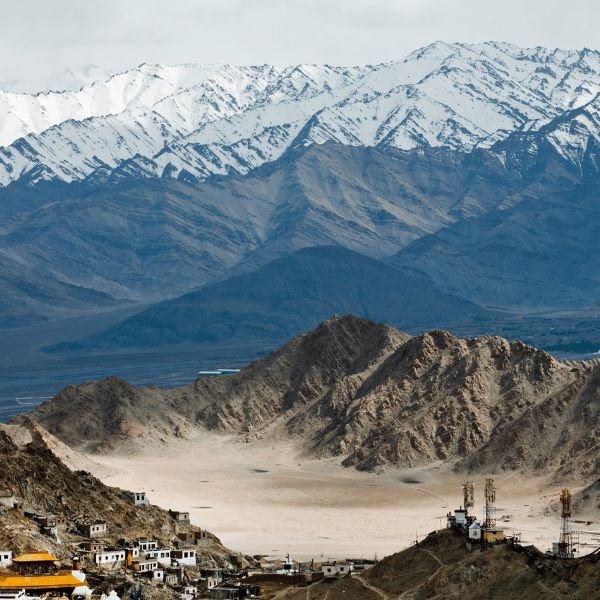
Leh

The capital and cultural heart of Ladakh.
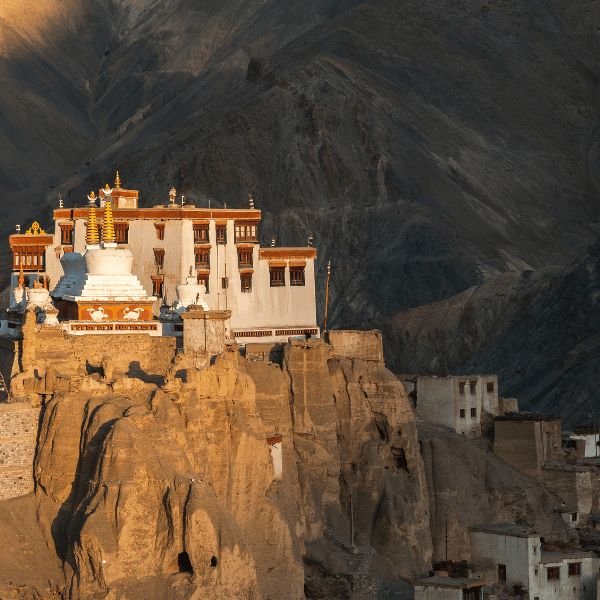
Kargil

Second-largest town; gateway to Zanskar Valley.
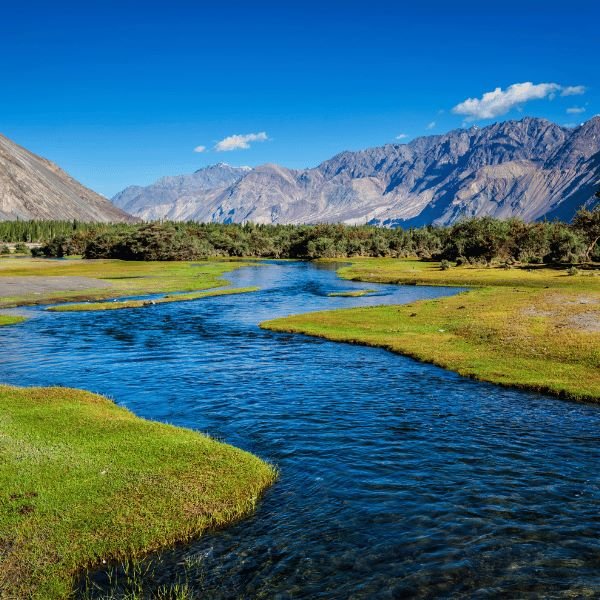
Nubra Valley

Land of sand dunes, monasteries, and Bactrian camels.
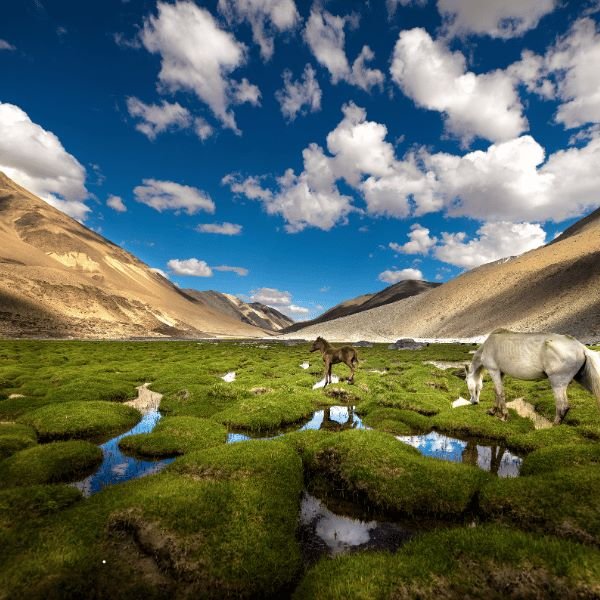
Pangong Tso Region

Home to the famous high-altitude lake.
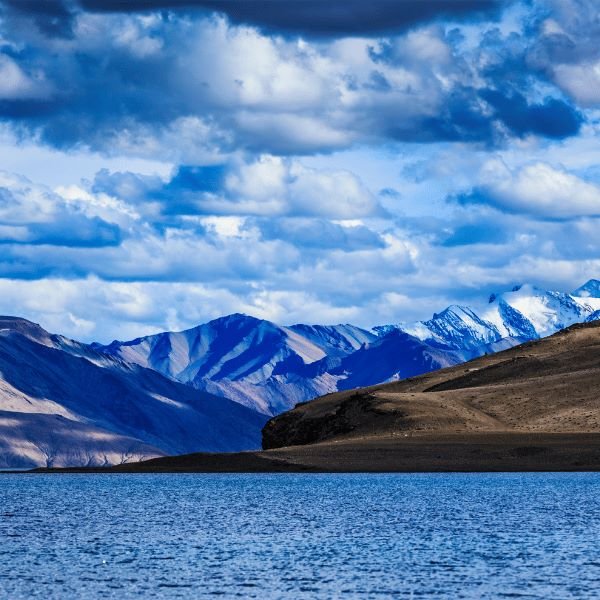
Tso Moriri & Tso Kar

Remote alpine lakes surrounded by wildlife.
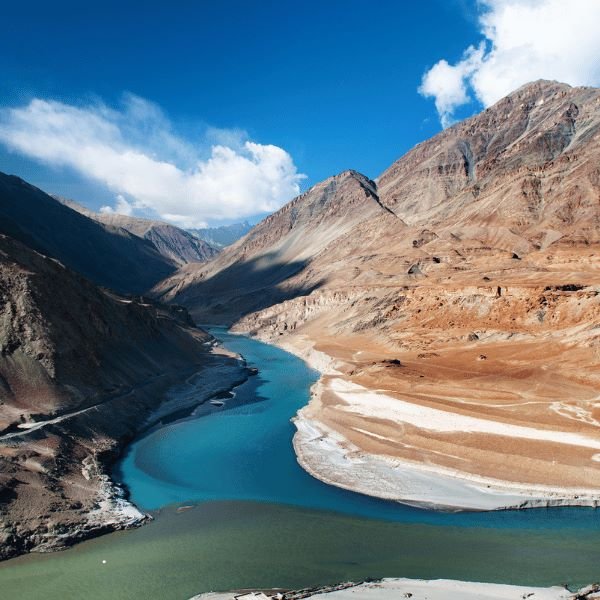
Zanskar Valley

Adventure hub with rivers, monasteries, and trekking routes.
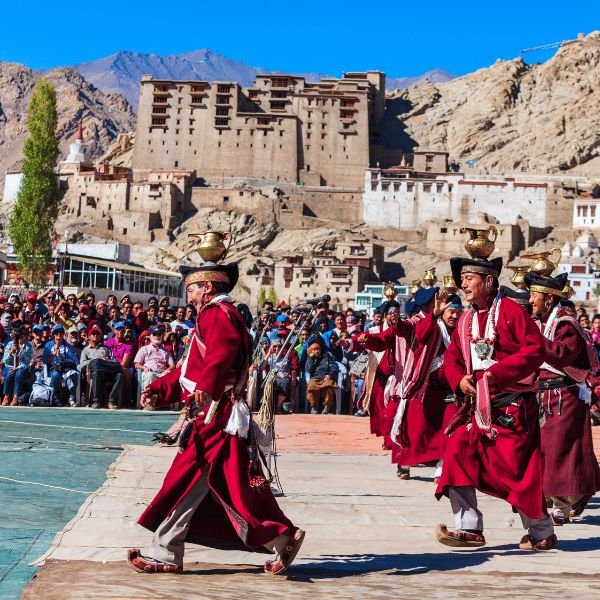
Dress

One of the coldest inhabited places in the world, near Kargil.
Top Destinations

Leh Town

Leh Palace, Shanti Stupa, Namgyal Tsemo Monastery, Main Bazaar, Hall of Fame Museum. o Visit Sankar Monastery and explore Old Leh for Tibetan culture and handicrafts.

Pangong Tso Lake

A breathtaking high-altitude lake (4,350 m) changing hues from blue to emerald; a must-visit icon of Ladakh.

Nubra Valley (via Khardung La Pass)

World’s highest motorable pass (5,359 m). o Visit Hunder Sand Dunes, ride double-humped Bactrian camels, explore Diskit Monastery, and Turtuk Village near the Indo-Pak border.

Hemis Monastery

Largest and richest monastery in Ladakh, famous for the Hemis Festival (June–July).

Thiksey Monastery

Known as “Mini Potala,” with 12-story architecture and a 15-meter Maitreya Buddha statue.

Shey Palace

Former royal residence offering panoramic valley views.

Tso Moriri Lake (Korzok Village)

A remote high-altitude lake ideal for camping and birdwatching.

Zanskar Valley

For trekkers and adventure seekers — Chadar Trek (frozen river), Zangla Fort, Stongdey Monastery.

Lamayuru Monastery

Among Ladakh’s oldest monasteries, surrounded by “Moonland” landscapes.

Magnetic Hill & Sangam Point

Experience optical illusion at Magnetic Hill and view the confluence of Indus and Zanskar Rivers.

Getting There

By Air:
Kushok Bakula Rimpochee Airport (Leh) connects to Delhi, Srinagar, and Chandigarh.
By Road:
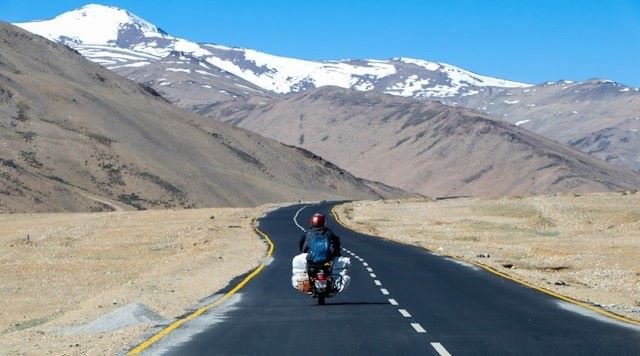
Manali–Leh Highway (open June–October): 473 km of spectacular Himalayan scenery.
Srinagar–Leh Highway (open May–November): 434 km via Zoji La and Kargil.
By Rail:
Nearest railway station: Jammu Tawi (700 km from Leh).

Best Time to Visit

May–September: Best for sightseeing, trekking, and road trips (clear skies and open passes).
December–February: Ideal for winter expeditions and the Chadar Trek on the frozen Zanskar River.

Why You’ll Love Ladakh

🏔️ Majestic mountains and glacial lakes
🕉️ Deeply spiritual monasteries and Tibetan culture
🏍️ Thrilling road trips on some of the world’s highest passes
🐫 Desert valleys and snow-capped horizons
🌌 Stargazing under crystal-clear night skies
💚 Warm, resilient locals and traditional homestays

Signature Experiences

  • Drive through the Khardung La Pass, the gateway to Nubra Valley.
  • Camp beside Pangong Lake and watch it change colors with the sun.
  • Witness the Hemis Festival, with masked dances and chants.
  • Take the Chadar Trek over the frozen Zanskar River in winter.
  • Ride a Royal Enfield across the Manali–Leh Highway — the ultimate Himalayan adventure.
  • Explore Lamayuru’s Moonland terrain and ancient monasteries.
  • Visit Turtuk Village, one of India’s last frontier hamlets.

Travel Tips

  •  Acclimatize for 1–2 days in Leh before ascending to high altitudes
  • Stay hydrated and avoid strenuous activity on arrival.
  • Carry essential medicines for altitude sickness.
  • Most inner-line areas (like Pangong, Nubra, Tso Moriri) require permits — easily available in Leh.
  • Respect local customs; monasteries are sacred spaces.